
Attribution
The process of assigning credit for an install, app open, or in-app action to the touchpoint that most likely caused it
Formale Definition
Attribution is the rule-based process of linking a measured outcome, such as an install or conversion, to one or more preceding touchpoints based on observed data and an attribution model
Einfach erklärt
Attribution answers one core question: which campaign, link, source, or touchpoint should get credit for what the user did next?
Visuelle Journey
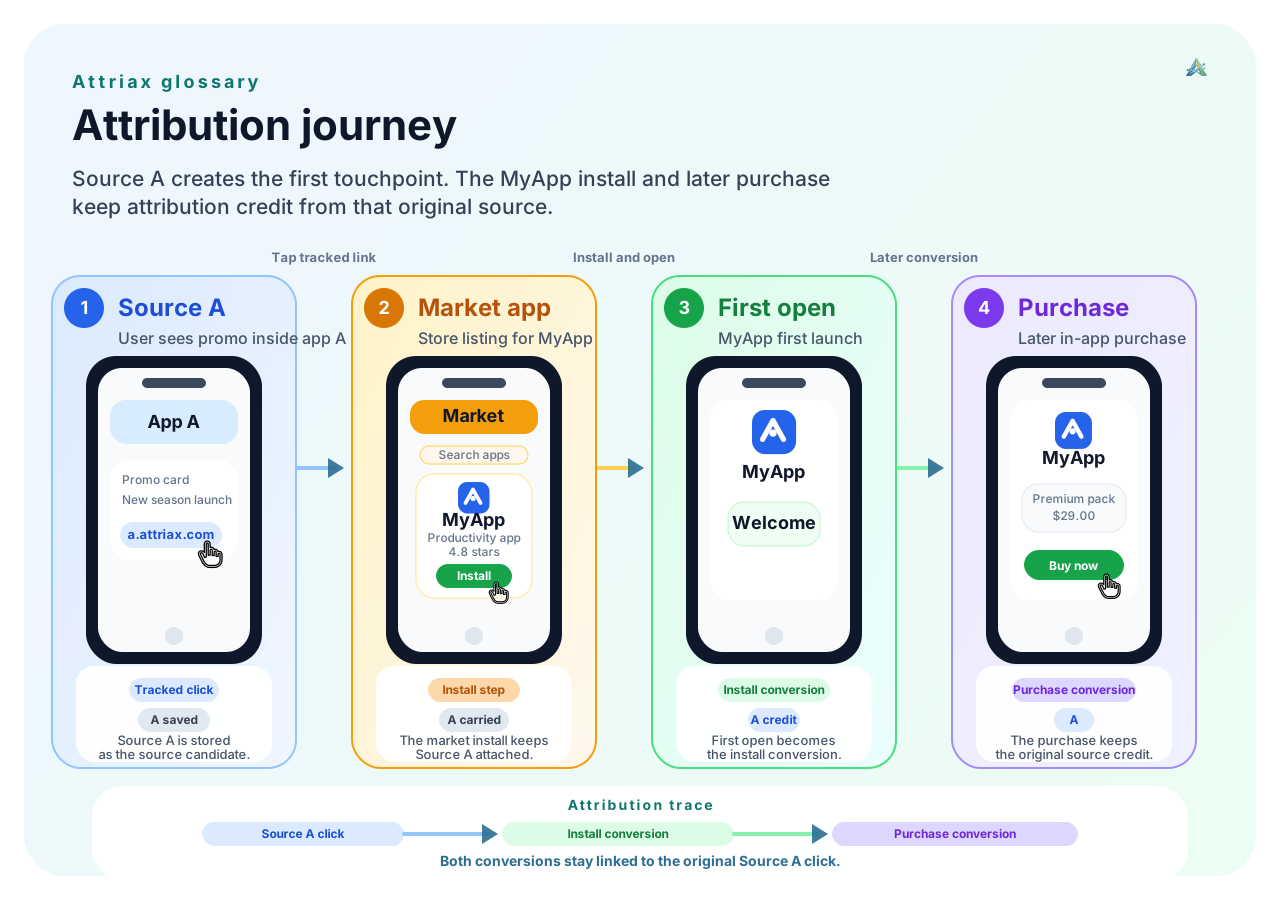
Prototype journey: Source A starts with a tracked click, the user installs from the store, opens the app for the first time, and the install conversion plus later purchase conversion stay attributed to Source A
Beispiele
- A user taps a paid campaign link, installs the app, and completes signup. The install and signup can be attributed to that campaign touchpoint
- A user opens the app from a QR-code-driven link and later subscribes. The source link becomes part of the conversion story
So funktioniert es
- A touchpoint is captured first, such as a click, redirect, referrer, or deep-link open.
- Later, install, open, and event data are matched against that earlier touchpoint data.
- An attribution model decides which source wins and should be stored on the conversion record.
So nutzt Attriax den Begriff
- Attriax uses attribution to connect links, app launches, and in-app events back to the source that brought the user
- Our current priority is Android install referrer first, then probabilistic attribution match, then external referrer capture, then organic fallback
- The winning source is surfaced in analytics, campaign reporting, and downstream decision-making
Häufige Fragen
What is the difference between install referrer and attribution?
Install referrer is one source signal. Attribution is the broader decision process that uses available signals, such as install referrer, probabilistic matching, external referrers, and fallback rules, to assign credit
Is attribution the same as analytics?
No. Attribution decides where credit goes. Analytics shows what happened after that, such as opens, events, conversion rate, revenue, or retention