
Link vs deep link
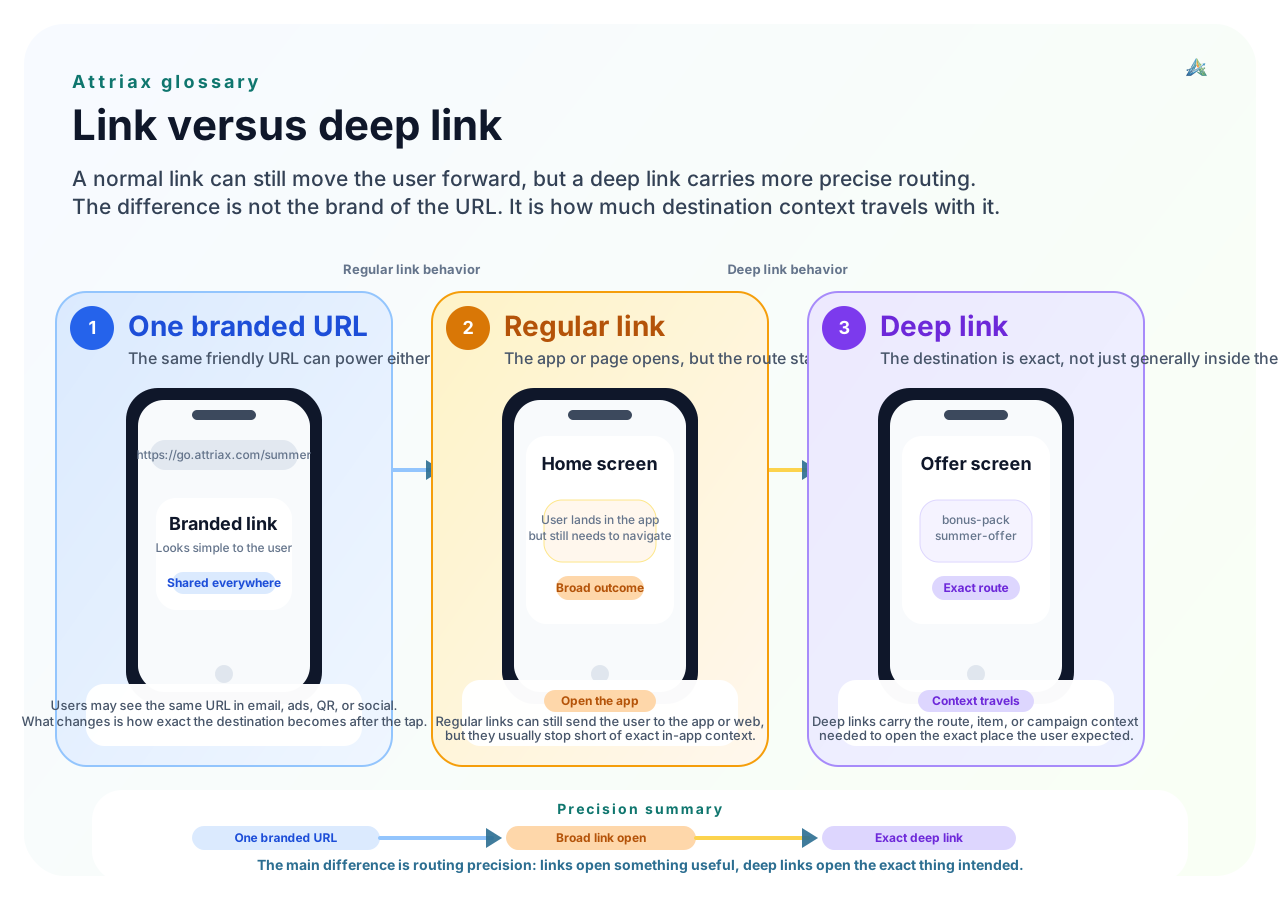
On the web, both are usually just URLs. On mobile, a generic app-opening link may only launch the app, while a deep link opens a specific in-app path.
Formal definition
On the web, a standard link and a deep link are often both URLs that resolve to a path. In mobile, a standard app-opening link may resolve only to the app container, while a deep link carries enough route context to open a specific screen or content path.
Plain-English explanation
For web, the difference is usually small because a normal URL already points to a page path. For mobile, the distinction matters more: a basic link may only open the app, while a deep link can open the exact page inside the app.
Visual journey
Journey: the same branded URL can start both flows, but a basic app-opening link may only launch the app home screen, while a deep link carries the route needed to open the exact in-app destination.
Examples
- A regular web link opens the product homepage in a browser path such as `/pricing`.
- A mobile app-opening link launches the app but may land on the default home screen.
- A deep link opens the product detail screen for a specific item inside the app.
How it works
- On web, the URL itself usually already describes the page path that should open.
- On mobile, the routing layer checks whether the app is installed and whether the device trusts the link association.
- If route data is available, the user can be sent to a specific in-app destination. If not, the app may just open to a default screen or fall back to web or the store.
How Attriax uses it
- Attriax links can preserve marketing context while deciding whether a user should go to web content, a store page, or a specific in-app destination.
- The product helps teams keep one branded link surface even when the destination changes by platform or install state.
- This distinction matters when teams design onboarding, campaign handoff, and fallback behavior.
Questions people ask
Is every web URL already a kind of deep link?
In everyday web usage, often yes, because a URL already points to a page path. Product teams still use deep link more often for mobile because mobile apps need extra routing context to open a specific in-app screen.
What happens if the app opens but no path is provided?
The app can still launch, but it usually lands on a default screen such as the home page. A deep link adds the route data needed to open the exact screen the campaign intended.