
UTM
A set of marketing query parameters added to a URL so traffic source, medium, campaign, and variation can be identified later.
Stands for
Urchin Tracking Module
Formal definition
UTM stands for Urchin Tracking Module and commonly refers to a family of query parameters appended to a URL to encode campaign source, medium, campaign name, term, or content variation for later measurement.
Plain-English explanation
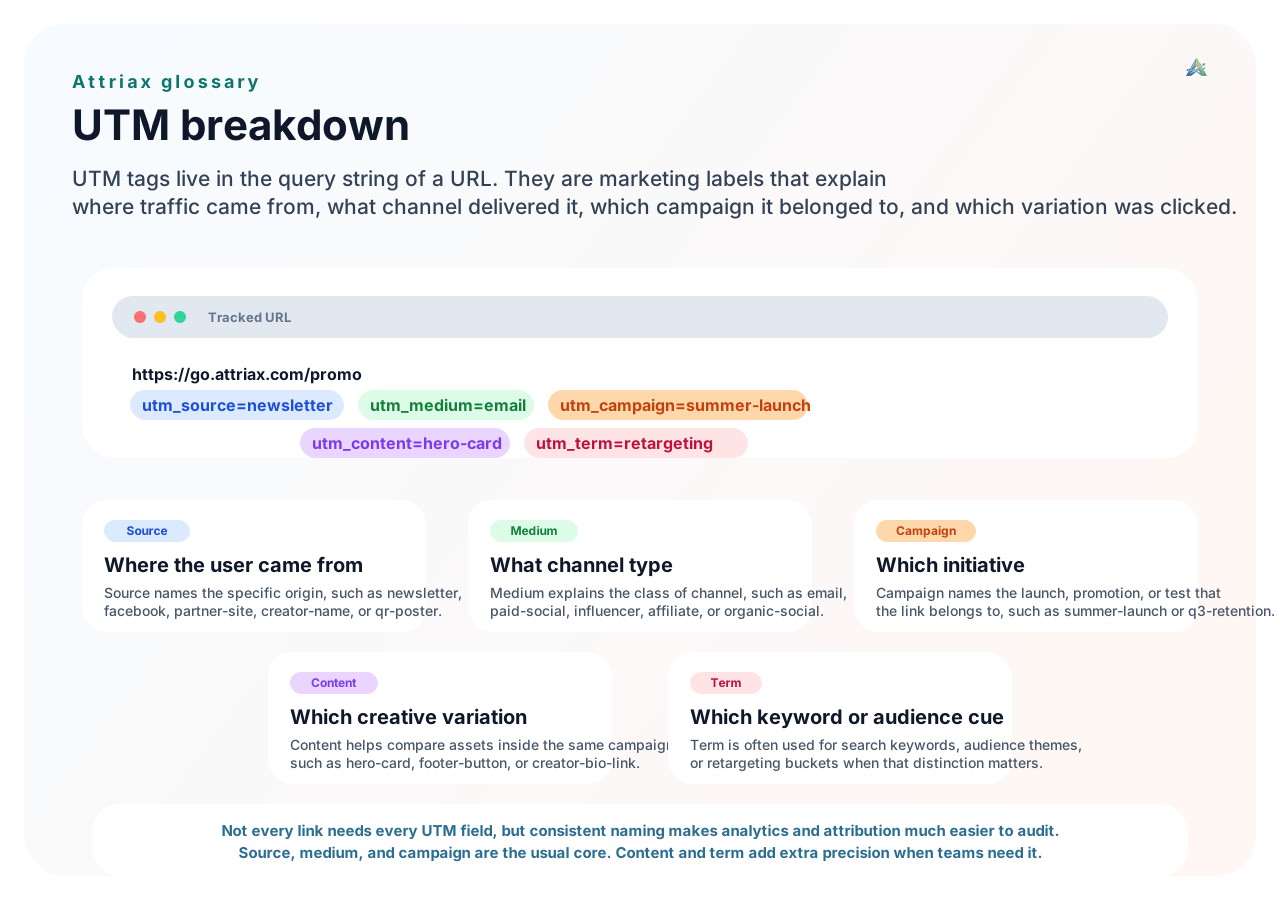
UTM tags are the marketing labels inside a link. They help teams see whether a visit came from email, paid social, influencer traffic, a QR code, or a specific creative variation.
Visual journey
Structure: UTM tags live inside the URL query string. Each parameter labels a different part of the marketing story, such as source, medium, campaign, term, or content variation.
Examples
- A campaign URL includes `utm_source=newsletter&utm_medium=email&utm_campaign=spring-launch`.
- Two ad variants use different `utm_content` values so the team can compare creatives.
How it works
- The tracking parameters are appended to the URL before the user clicks it.
- Landing pages, analytics tools, or attribution systems read those parameters on arrival.
- The captured values are stored with the session, visit, or conversion record for later reporting.
How Attriax uses it
- Attriax links can preserve campaign context that teams already express through UTM-style naming.
- UTM tags are useful when teams want consistent naming across web analytics, redirects, and attribution reporting.
- A clean UTM strategy reduces messy source naming and makes traffic audits easier.